Search All Homes
Living in Washington, DC
Washington, DC is a city of distinctive neighborhoods, each with its own housing, architecture, transportation options, amenities, and everyday rhythm. Choosing where to live often means deciding which of those differences matter most to you.
Some buyers prioritize a walkable neighborhood with convenient access to Metrorail, restaurants, and shops. Others prefer established residential streets, more outdoor space, proximity to parks, or a particular commute. The District offers a wide range of possibilities, from historic row houses and condominiums to townhomes, apartments, new development, and detached single-family homes in select neighborhoods.
Because Washington is made up of many individual neighborhood markets, it helps to begin your search with a clear understanding of your priorities and then compare communities in person.
Explore Washington, DC Neighborhoods
Washington, DC isn't one single real estate market. Housing types, property values, transportation, architecture, development, and buyer demand can vary considerably from one part of the city to another.
Perennial Real Estate works with buyers and sellers throughout Washington, DC. Two neighborhoods to explore as you begin comparing different parts of the District are Brightwood in Northwest DC and Brookland in Northeast DC.
Brightwood
Brightwood offers a primarily residential setting in Upper Northwest Washington with varied housing, access to Georgia Avenue, nearby green space, and the evolving amenities at The Parks at Walter Reed. Its location provides a different experience from DC neighborhoods centered directly around a Metrorail station.
Explore the Brightwood neighborhood guide to learn more about homes, transportation, recreation, Walter Reed, and what to consider when buying or selling in the area.
Brookland
Brookland combines established residential streets with Red Line access at the Brookland-CUA Metro station, local businesses, arts and cultural destinations, recreation, and major institutions including The Catholic University of America.
Explore the Brookland neighborhood guide for a closer look at housing, transportation, local amenities, recreation, and real estate in this Northeast DC community.
Homes and Real Estate in Washington, DC
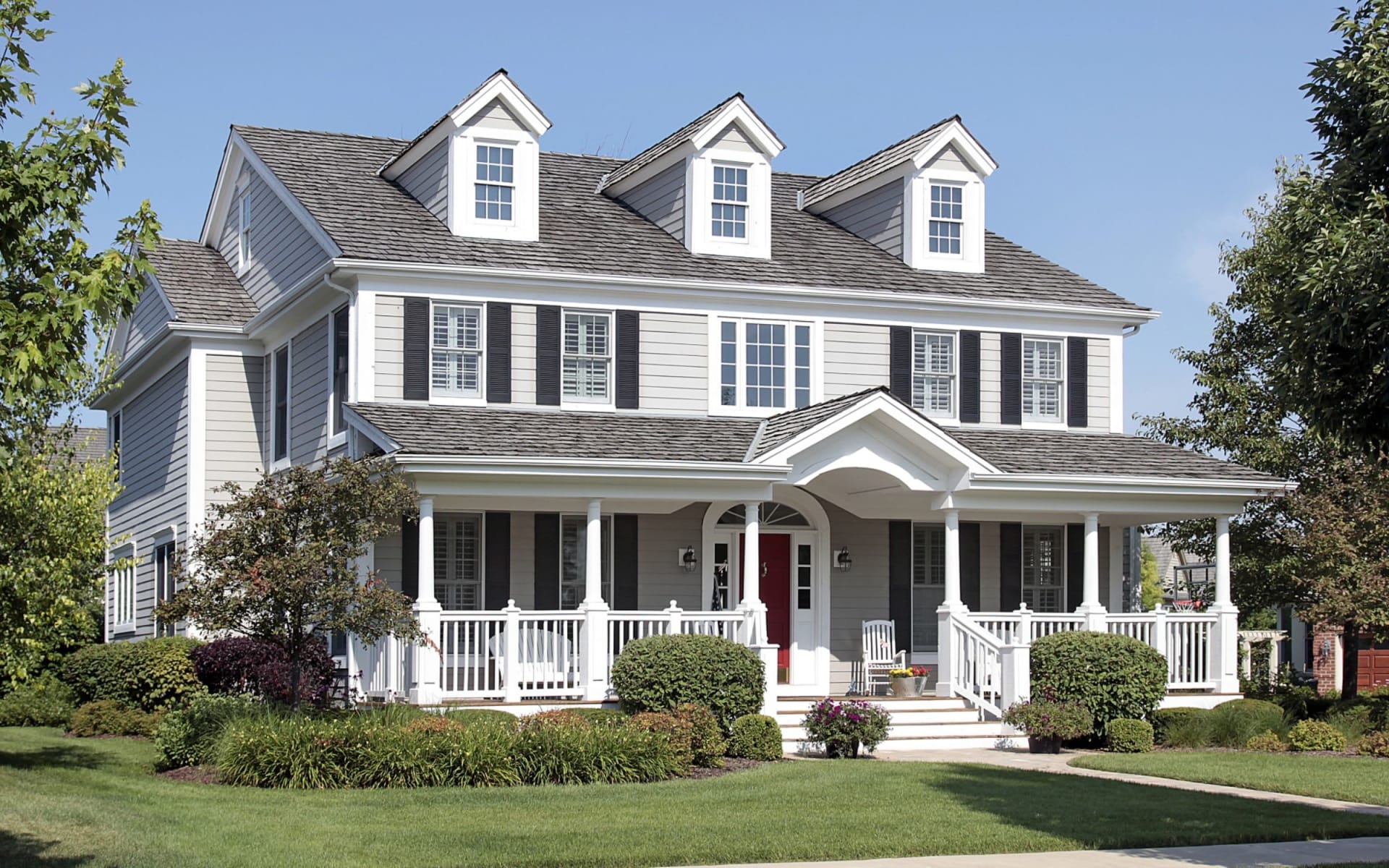
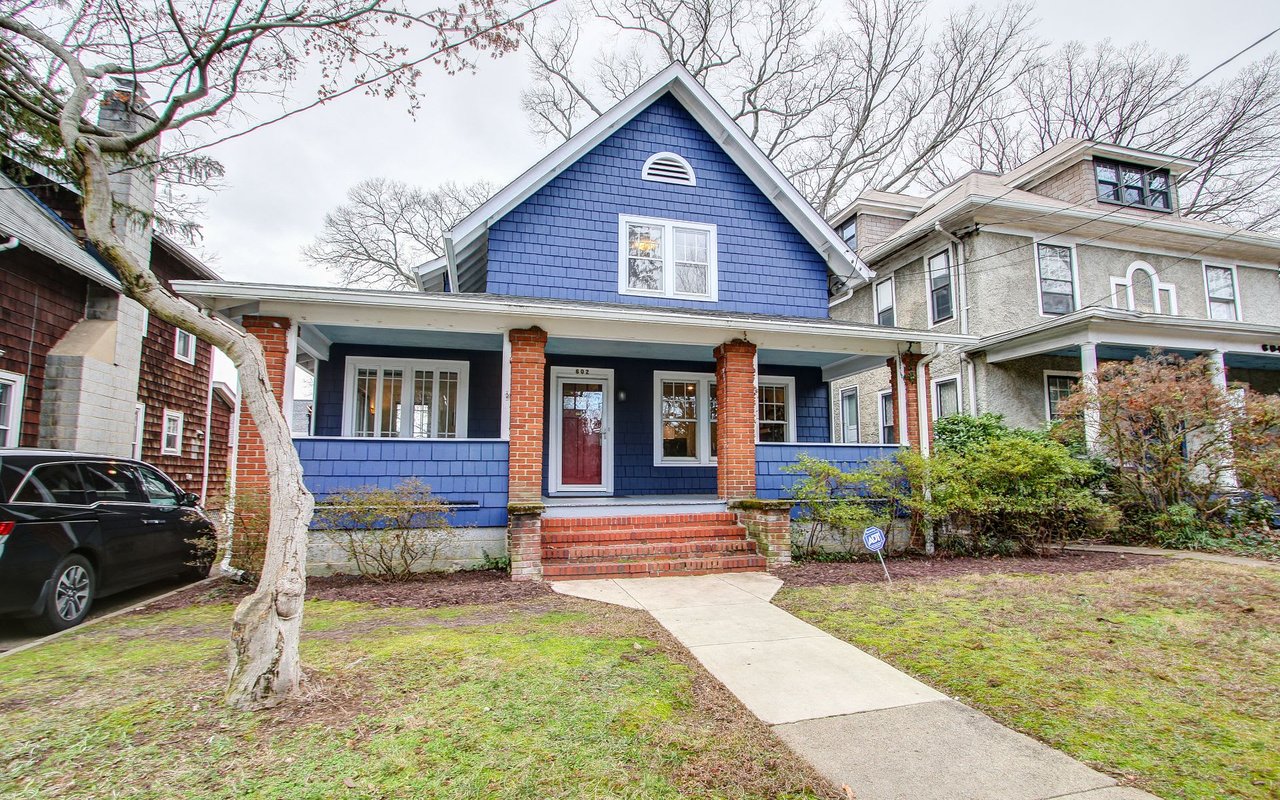
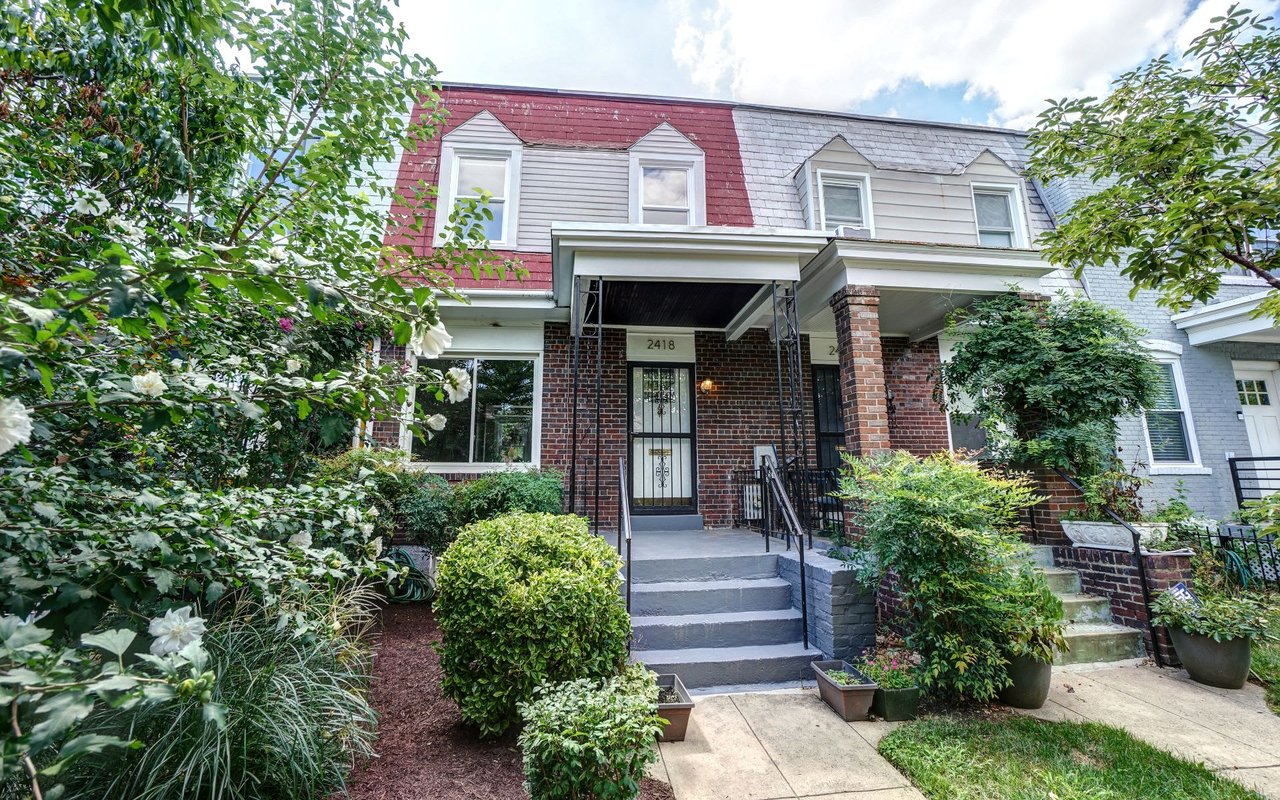
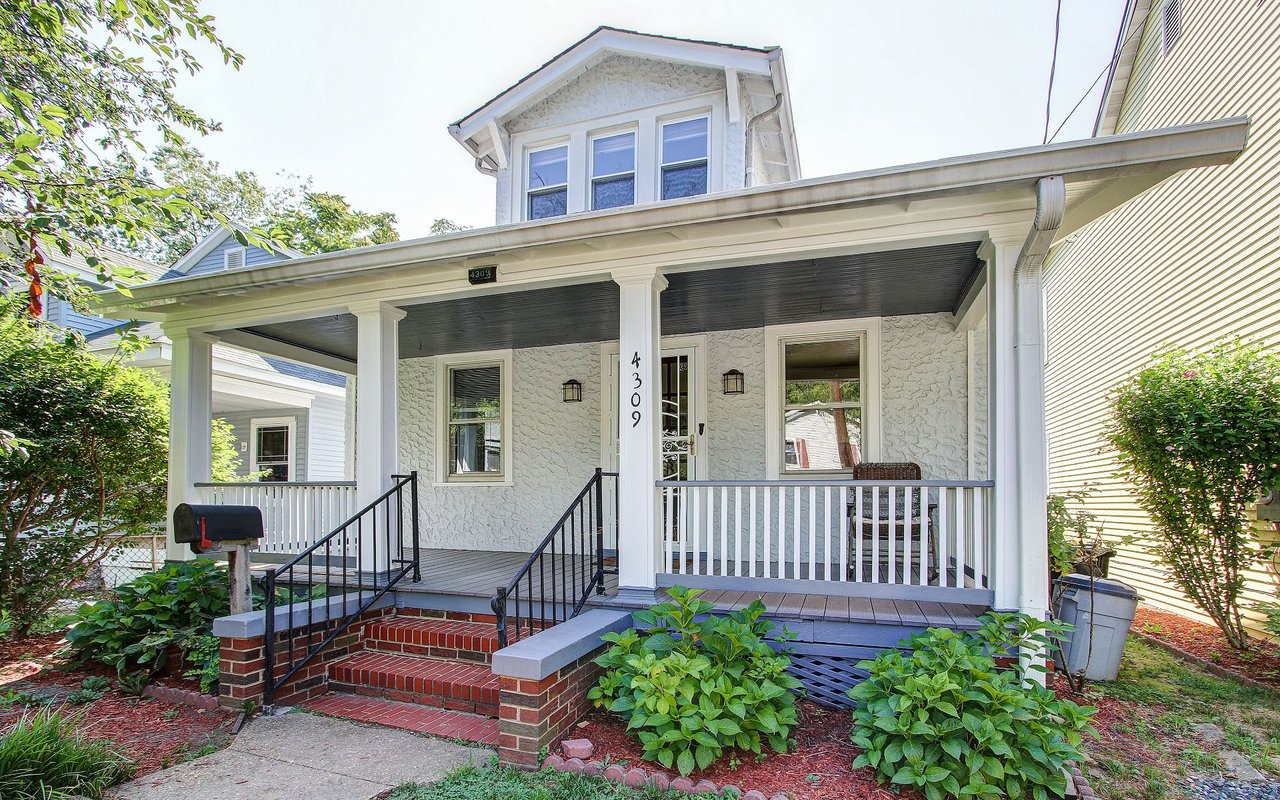
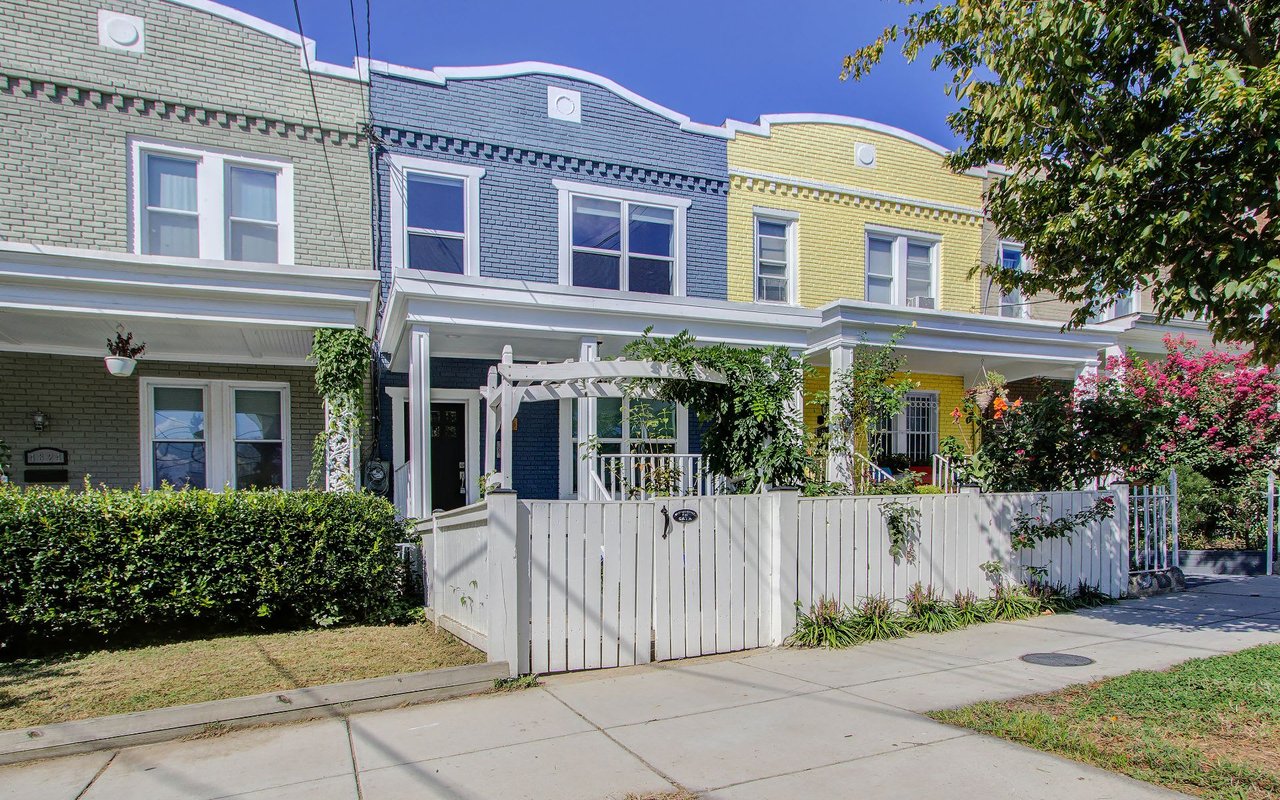
Washington's housing stock reflects the city's long history and continued development. Depending on the neighborhood, buyers may encounter historic row houses, townhomes, condominiums, apartments, newer developments, and detached single-family homes.
Property type is only one part of the decision. Condition, renovations, immediate surroundings, transportation, parking, outdoor space, and proximity to the places you visit regularly can all affect how well a particular home fits your needs.
Market conditions can also differ between neighborhoods and property types. Looking at recent comparable sales and current competition within the immediate market can provide more useful context than relying only on citywide averages.
Getting Around Washington, DC
Transportation can play a major role in deciding where to live in Washington. Depending on the neighborhood, residents may use Metrorail, Metrobus, walking, cycling, driving, or a combination of transportation options.
Access can vary even within the same neighborhood, so buyers should evaluate the actual trip from a property to work and other regular destinations rather than relying solely on a neighborhood's general reputation for convenience.
That distinction becomes clear when comparing communities such as Brookland, which has a Red Line Metrorail station within the neighborhood, with Brightwood, where transportation options are structured differently.
Parks, Culture, and Everyday Life
One of the advantages of living in Washington is the variety of experiences available across the District. Parks and trails, museums, performing arts, restaurants, neighborhood businesses, historic sites, community spaces, and cultural institutions are woven throughout the city.
But access to those amenities differs by location. Rather than trying to identify one "best" Washington neighborhood, consider which combination of housing, transportation, outdoor space, local businesses, and nearby destinations works best for your everyday life.
Buying a Home in Washington, DC
A productive DC home search starts by narrowing your priorities before narrowing your neighborhoods. Consider the type of home you want, your budget, commute, transportation preferences, need for indoor and outdoor space, and which amenities matter most to you.
From there, comparing neighborhoods and individual properties can help you understand where you're comfortable making tradeoffs. Property condition, renovations, location, recent comparable sales, and current competition can all provide important context once you're ready to evaluate a particular home.
The team at Perennial Real Estate helps buyers navigate these decisions with local knowledge and property-specific guidance. Learn more about buying a home with Perennial or explore homes currently available for sale.
Selling a Home in Washington, DC
For DC homeowners considering a sale, understanding the immediate market around the property is an important first step. A citywide trend doesn't necessarily tell you how buyers are responding to your particular neighborhood, property type, condition, or price range.
Recent comparable sales, current competition, improvements, property condition, location, buyer activity, and the characteristics of the individual home can all influence pricing and positioning.
Perennial Real Estate helps homeowners evaluate those factors and develop a selling strategy based on the property, current market, timeline, and their individual goals.
Learn more about selling your home with Perennial or request a home valuation.
Explore Washington, DC With Local Guidance
You don't need to know exactly which DC neighborhood is right for you before beginning your search. Exploring different communities and comparing homes in person can help clarify what matters most.
Start with our guides to Brightwood and Brookland, browse available homes, or talk with Perennial Real Estate about the parts of Washington that best fit your goals.
Contact Perennial Real Estate to speak with a local real estate professional about buying or selling a home in Washington, DC.