Search All Homes
Living in Brookland, Washington, DC
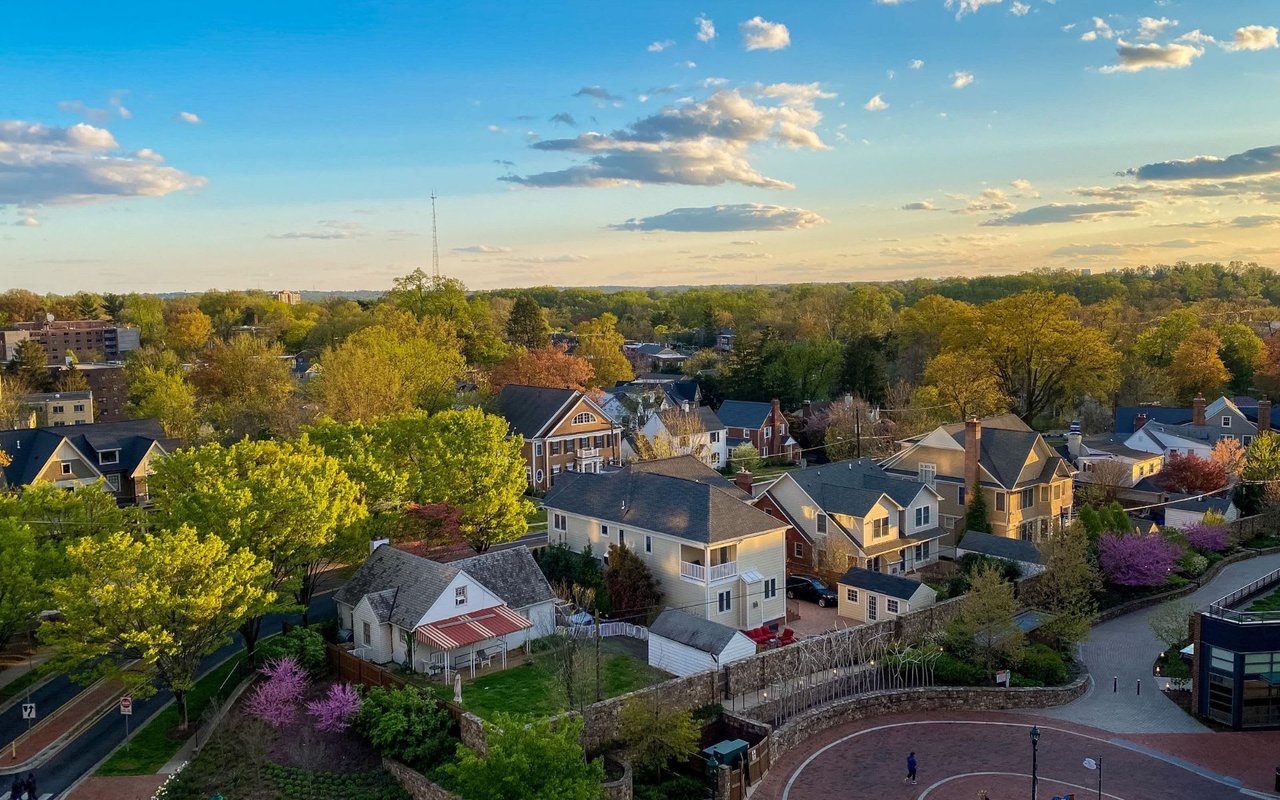
Brookland offers a distinctive combination of residential neighborhood living and convenient connections within Washington, DC. Located in Northeast DC, the community includes established residential streets, local businesses, arts and cultural destinations, parks and recreation, and direct access to the Red Line at the Brookland-CUA Metro station.
Brookland is also closely connected with several major institutions, most notably The Catholic University of America. These institutions, together with the neighborhood's residential areas and commercial corridors, contribute to a character that feels different from both Downtown Washington and many of the city's denser neighborhoods.
For homebuyers, that creates several factors to consider: housing type, proximity to Metro, access to local businesses and recreation, and where within the broader neighborhood you want to be.
Brookland's History and Neighborhood Character
Brookland developed from land that was once part of the estate of Colonel Jehiel Brooks. His historic home, commonly known as Brooks Mansion, remains near the Brookland-CUA Metro station today.
As Washington expanded after the Civil War and transportation connections improved, former farmland in the area was subdivided for residential development. Over time, Brookland developed into an established DC neighborhood with residential streets, commercial areas, educational and religious institutions, and its own recognizable community identity.
Today, Brookland is part of Ward 5 and sits approximately 3.5 miles from the National Mall. The neighborhood's history remains visible alongside newer development around the Metro and Monroe Street.
Homes and Real Estate in Brookland
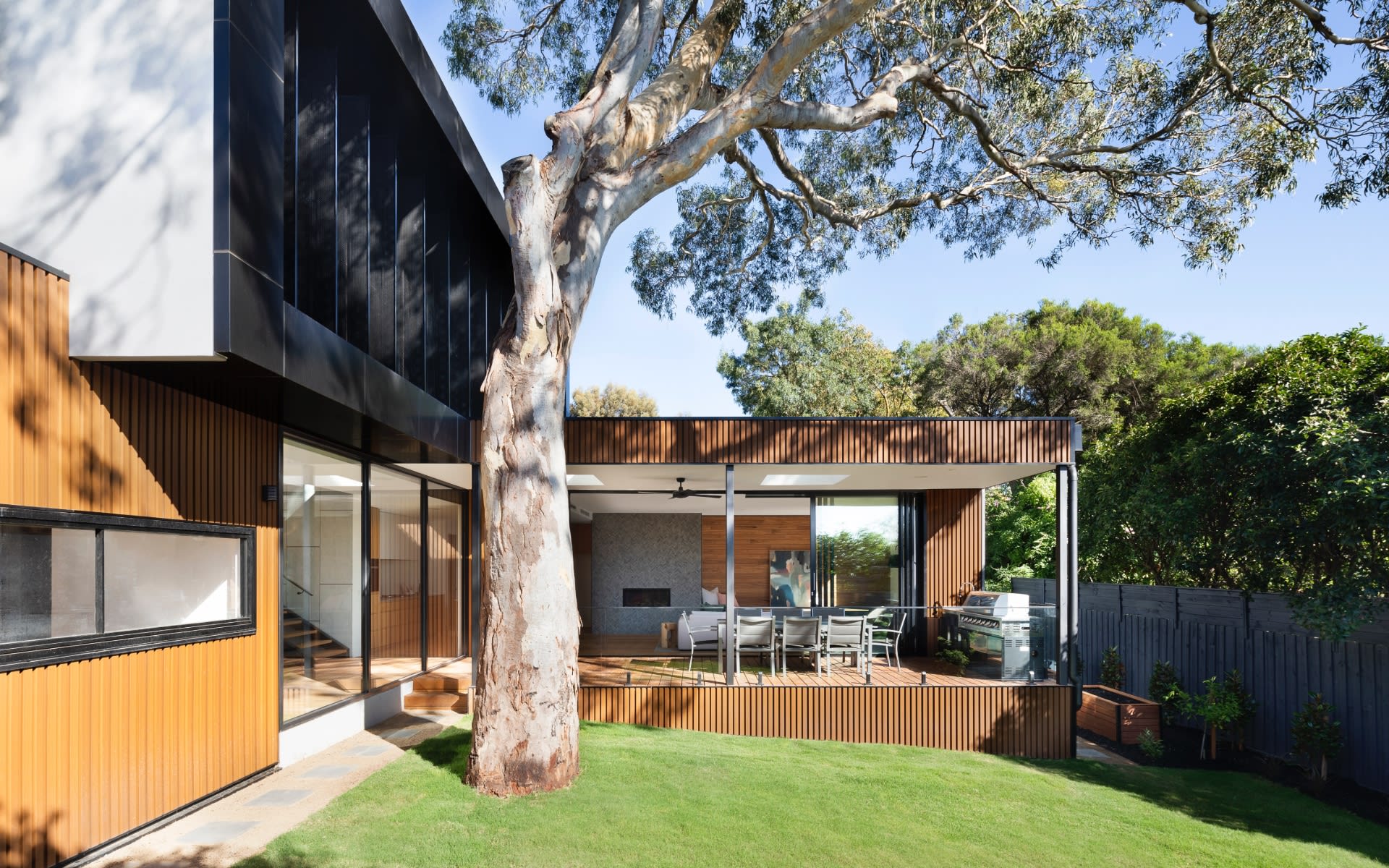
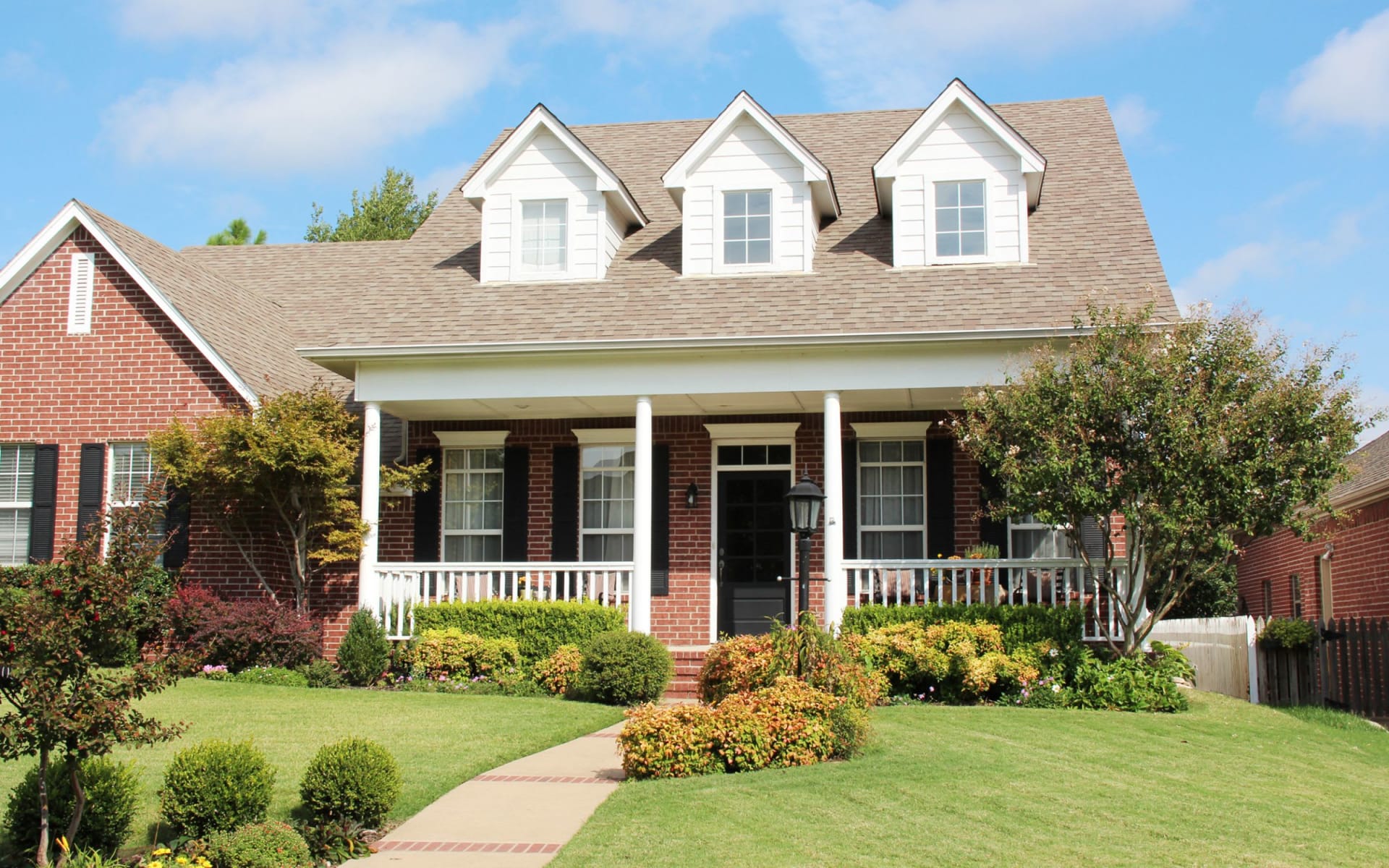
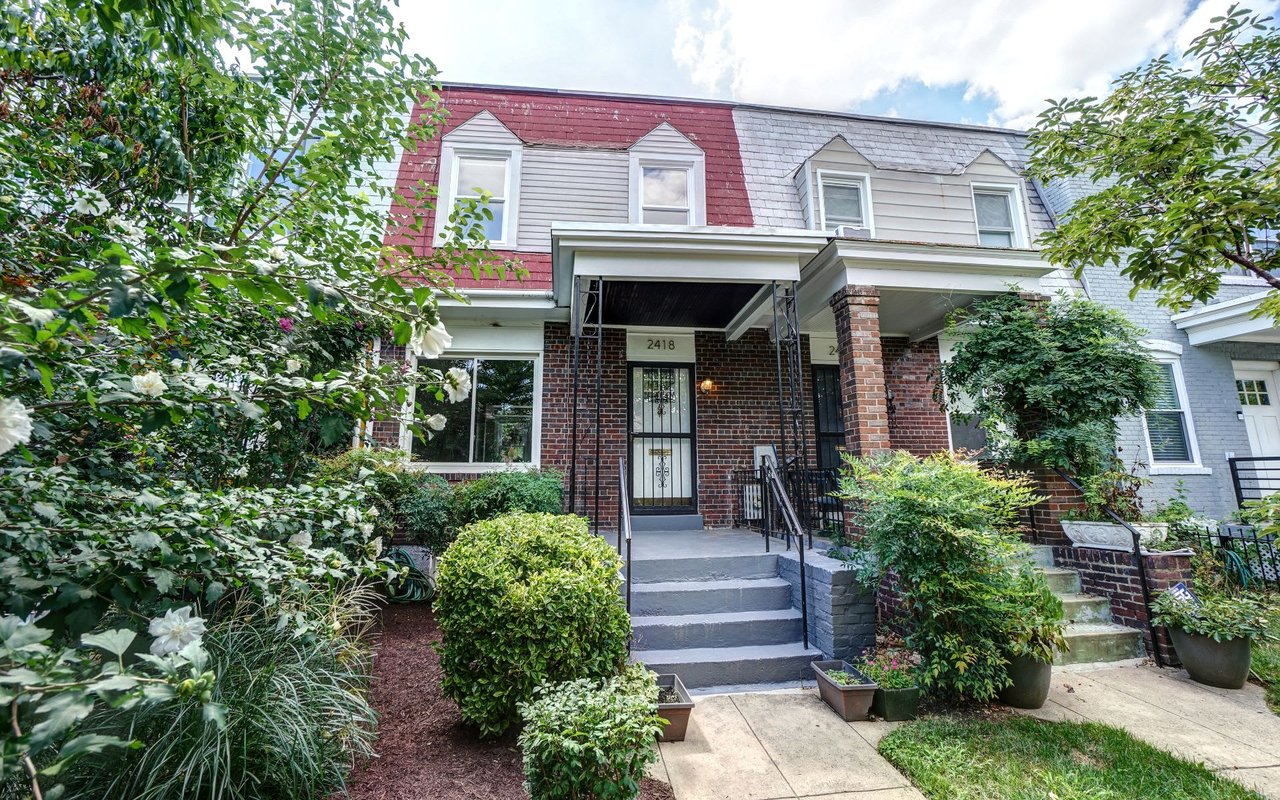
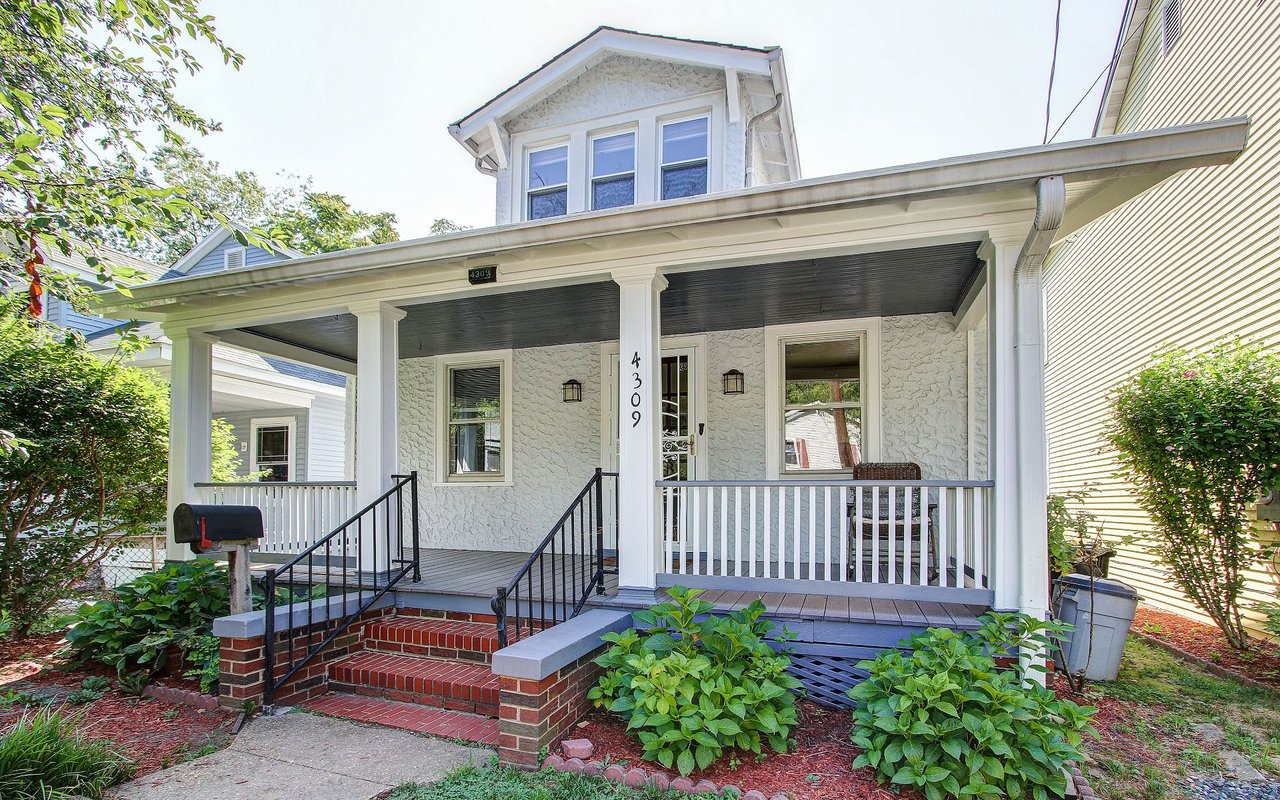
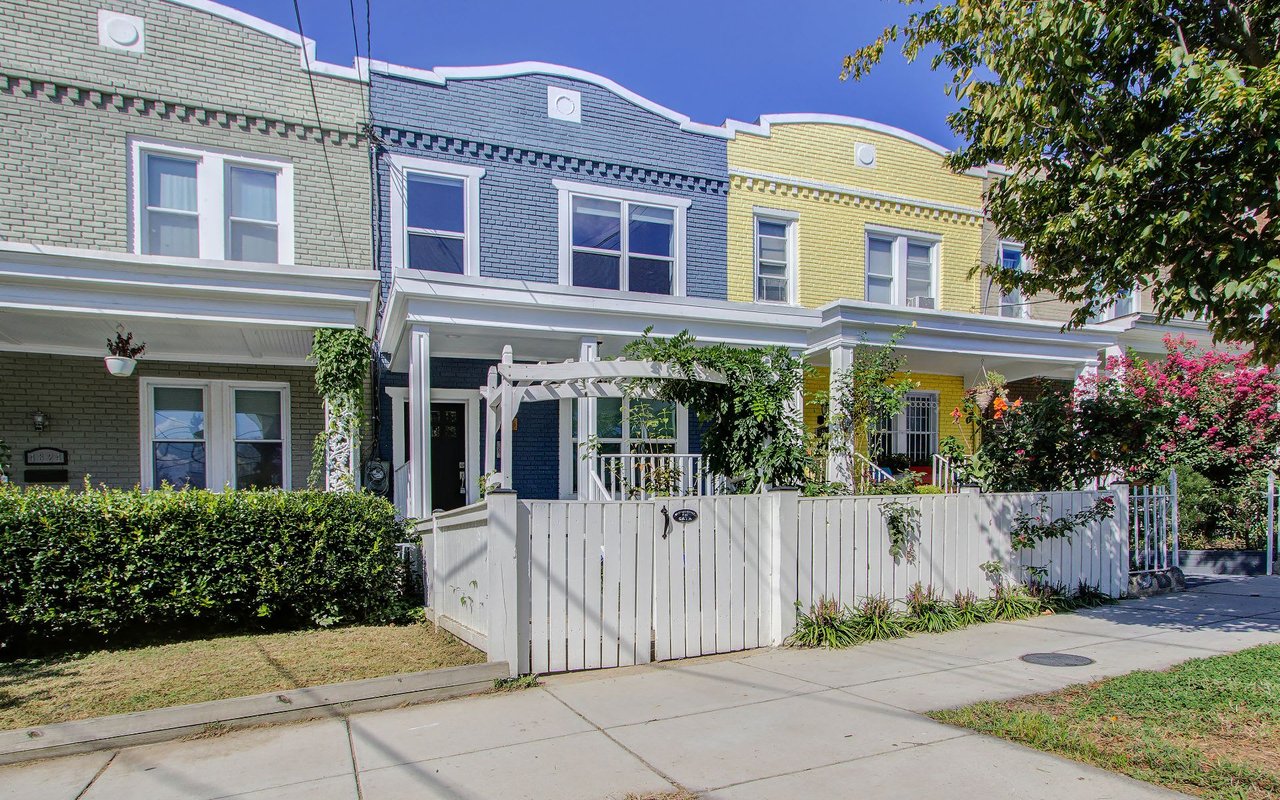
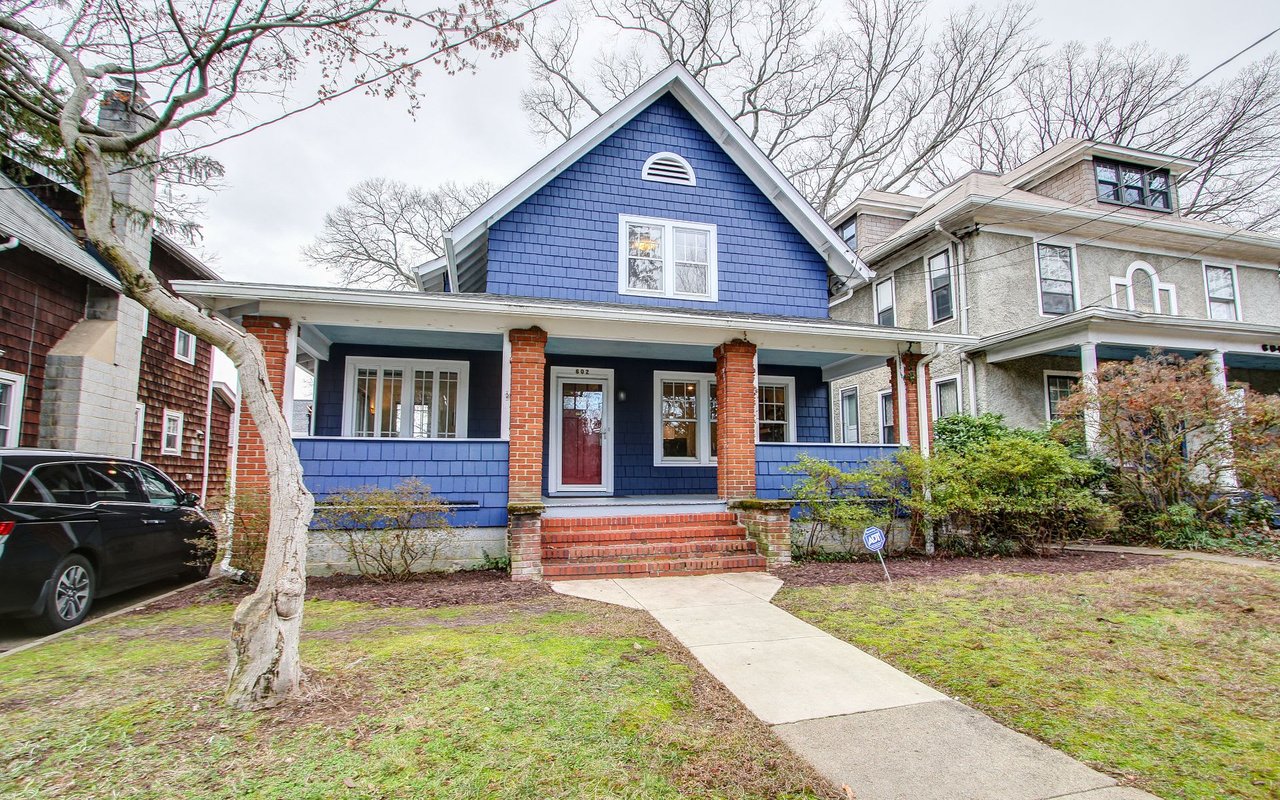
Brookland offers a range of housing options. Buyers may encounter detached and attached homes, townhomes, condominiums, apartments, and newer residential development, depending on where they search within the neighborhood.
The area around the Brookland-CUA Metro has experienced additional residential and mixed-use development, while many streets farther from the station retain a lower-density residential character.
That makes location within Brookland an important part of comparing properties. A home close to Metro and commercial activity may offer a different experience from one located deeper within a residential section of the neighborhood.
Property type, condition, renovations, lot characteristics, immediate surroundings, recent comparable sales, and current competition should all be considered when evaluating an individual Brookland home.
12th Street, Monroe Street, and Local Amenities
Brookland has several areas where residents can find restaurants, shops, services, arts, and other neighborhood destinations.
12th Street NE has long served as an important neighborhood commercial street, while the area around Monroe Street and the Brookland-CUA Metro has developed into another center of activity.
Near the Metro, Monroe Street Market includes residences, businesses, and the Arts Walk, a pedestrian area featuring studios and work by local artists and makers. The neighborhood is also home to Dance Place, a longstanding performing arts organization.
These destinations give residents access to local amenities without requiring every trip to begin outside the neighborhood.
Institutions, Architecture, and Culture
Brookland is closely associated with The Catholic University of America and a concentration of religious and cultural institutions in and around the neighborhood.
Notable destinations include the Basilica of the National Shrine of the Immaculate Conception and the Franciscan Monastery of the Holy Land in America. The concentration of churches, monasteries, and religious institutions has contributed to the area's longtime association with the nickname "Little Rome."
These institutions are part of Brookland's physical landscape and history and help distinguish it from other residential neighborhoods in Washington.
Parks and Outdoor Recreation
Brookland residents have access to neighborhood parks and recreational facilities, including Turkey Thicket Recreation Center on Michigan Avenue.
Turkey Thicket includes an indoor pool, gym and fitness facilities as well as outdoor basketball and tennis courts, a baseball field, walking track, playground, spray park, and picnic areas.
Buyers who value recreation and outdoor space may want to consider proximity to these facilities alongside transportation, housing type, and access to neighborhood businesses.
Getting Around Brookland
Transportation is one of Brookland's defining features. The Brookland-CUA Metro station serves the neighborhood on Metrorail's Red Line, providing a direct rail connection to other parts of Washington and the region.
Major roads serving the broader area include Michigan Avenue, Rhode Island Avenue, and North Capitol Street, while bus, walking, and cycling options provide additional ways to get around.
Even with a Metro station in the neighborhood, transportation convenience varies by property. Buyers should consider the actual distance and route between a home and Metro, work, schools, shopping, recreation, and other destinations important to their routine.
Brookland or Brightwood?
Buyers looking beyond Washington's downtown neighborhoods may find themselves considering different residential areas across the District. Brightwood and Brookland provide a useful example of how different those options can be.
Brookland is in Northeast Washington and has its own Red Line Metro station, major institutional presence, local commercial areas, and a mix of established residential streets and development near the station. Brightwood is located in Northwest DC and offers a different relationship to Georgia Avenue, Rock Creek Park, and the redevelopment at Walter Reed.
Neither neighborhood is inherently the better choice. Home type, commute, transportation preferences, budget, outdoor space, and the places you visit regularly can help determine which parts of Washington deserve the closest look.
Explore our Washington, DC neighborhood guide for a broader look at living and buying a home in the District.
Buying a Home in Brookland
When searching for a home in Brookland, consider the neighborhood experience you want alongside the property itself. Proximity to Metro may be a priority, while other buyers may place greater value on housing type, outdoor space, residential surroundings, or access to local businesses and recreation.
Once you begin comparing homes, look beyond basic listing statistics. Property condition, renovations, major systems, lot characteristics, immediate surroundings, recent comparable sales, and current competition can all provide useful context.
The team at Perennial Real Estate helps buyers evaluate those tradeoffs with local knowledge and property-specific guidance. Learn more about buying a home with Perennial or explore homes currently available for sale.
Selling a Home in Brookland
Brookland's mix of property types and locations makes property-specific analysis particularly important for homeowners considering a sale.
Recent comparable sales provide a useful starting point, but current competition, property type, condition, renovations, location, buyer activity, and proximity to neighborhood amenities can all influence how an individual home should be positioned.
Perennial Real Estate helps sellers evaluate those factors and develop a strategy around the property, current market, timeline, and their goals.
Learn more about selling your home with Perennial or request a home valuation.
Explore Brookland With Local Guidance
Brookland gives buyers a combination of residential streets, Metro access, local businesses, recreation, and cultural institutions within a distinctive part of Northeast Washington.
Whether Brookland is already on your list or you're comparing neighborhoods throughout the District, Perennial Real Estate can help you understand the local market, evaluate individual properties, and make a more informed decision.
Contact Perennial Real Estate to talk with a local real estate professional about buying or selling a home in Brookland.